

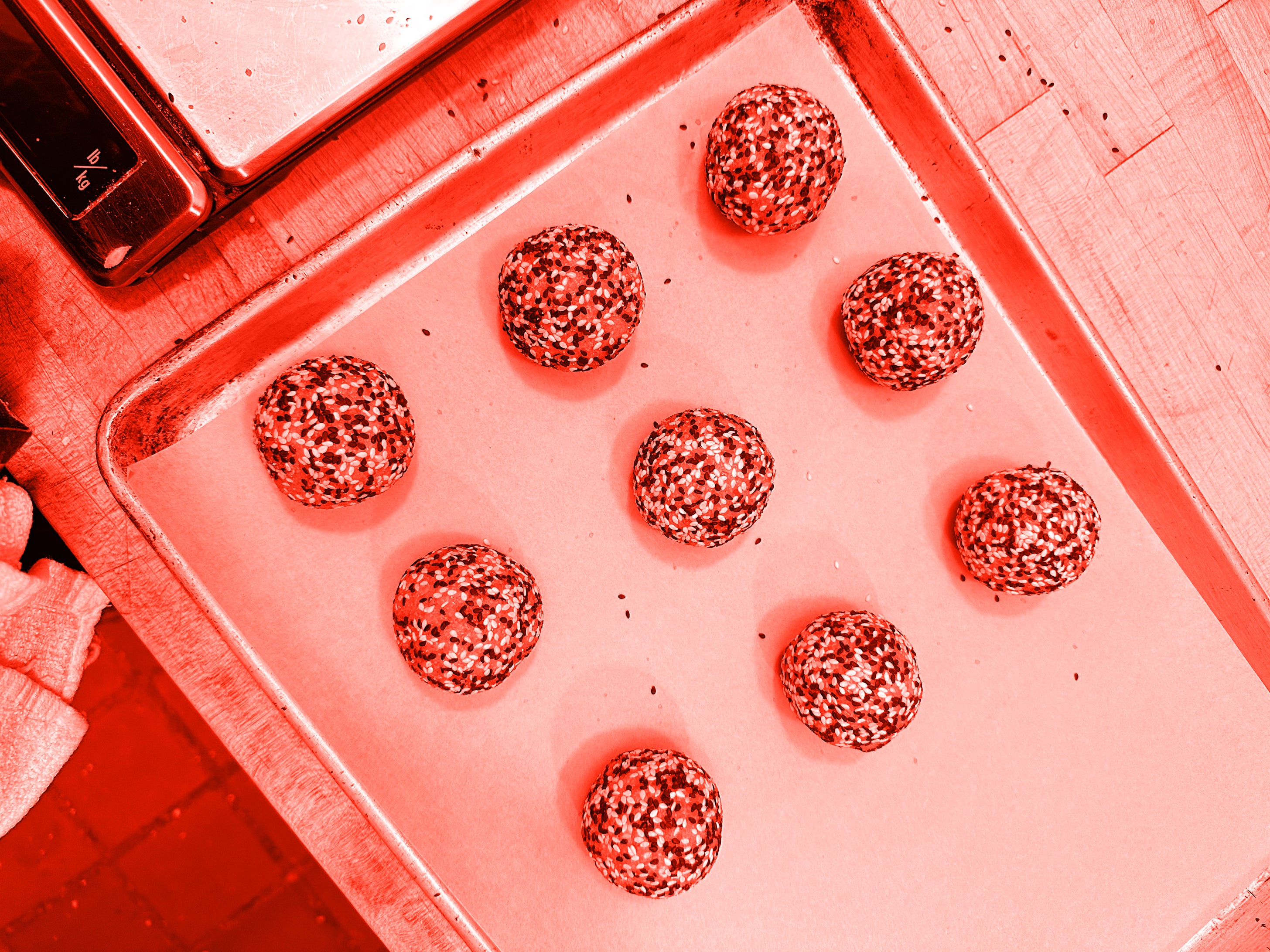
Every single night of last week, I farted around too much before bed and accrued a serious, unpayable sleep debt. This is very easy to do when you regularly wake up at 5:07 in the morning to oversee dough balls as they metamorphosize into cookies.
During my Thursday shift at the bakery, I smashed three plates and got ceramic shards lodged in my fingertips. I did not feel like lifting 50 lb bags of flour. I basically refused to speak unless spoken to.
At every possible opportunity, I whipped off my butter-smeared apron and skulked to the bathroom with an ostensibly reasonable excuse: to respond to timely work emails. By the time I’d finish peeing, though, I was antagonizing Depop sellers with absolute lowballs and watching aspirational lifestyle videos on Instagram.
I don’t even know how I ended up so deep in the void. And that imperceptible chokehold is precisely where most tech companies want us, writes Kathryn Jezer-Morton in The Cut:
They’re “succeeding in making us think of life itself as inconvenient and something to be continuously escaping from, into digital padded rooms of predictive algorithms and single-tap commands: Reading is boring; talking is awkward; moving is tiring; leaving the house is daunting. Thinking is hard. Interacting with strangers is scary.”
Baking, on a bad day, feels monotonous. You make scones only to watch them disappear from the pastry case. You clean the bench only to dirty it again. You refill the Cambro with flour more times than seems necessary.

The activities that make us feel most alive ask something of us. Feeding people, creating, and loving our friends requires effort, uncertainty, and a willingness to be inconvenienced. The more we outsource those demands to our devices — using AI to write emails, DMing memes instead of calling someone, ordering delivery — the less seasoned we become at meeting them. Like a neglected bicep, our tolerance for everyday exertion atrophies. As Jezer-Morton writes:
“The dullness and labor of embodied existence is unbearable.”
Most days, I prefer baking treats for flesh-and-blood humans rather than pawing at glowing pixels until my thumb hurts. But the more I double-tapped away from my to-do list on the whiteboard, the harder it was to return to the tortoise-sized mixer full of cookie dough that still needed me to roll up my sleeves and get scooping.
That juxtaposition seems like the most salient risk in this era of VC-backed escapism. Our digital sojourns convince us that life should be easier than it is, then deposit us back into reality resentful of its unavoidable demands.

If you’re feeling a little hopeless right now, Jezer-Morton suggests a slew of tangible ways we can all up-titrate friction:
“Stop using ChatGPT completely. No, it does not have good ideas for meal planning. Buy a cookbook. Text your friends for advice. Go to Trader Joe’s…Invite people over to your house without cleaning it all the way up. Babysit for someone who needs a night out…”
I’m starting right now. Even days after that bakery shift, I feel dumb and heavy, which is making it harder to write coherently about feeling dumb and heavy. But at least I’m here, willingly turning my face towards the headwinds.
Anyway! Your turn:
What part of your life are you trying hardest to avoid?
Which daily tasks do you typically outsource to the machine?
When do you most find yourself reaching for your phone?