


In the fall of 2024, I clutched my mum’s hand while our plane departed Tokyo for Brisbane. As the eight-hour flight yawned before me, I was practically tripping balls. Not so much on the memories of our Japanese odyssey, but on the anticipation of what was still to come.
While we were on vacation, my debut book proposal had gone to auction. And a few days after we landed in Australia, I’d wake to three offers from publishers hoping to buy it. In that moment on the plane, the assumption was that I would never feel sad or bad about myself ever again.
Then, almost as decisively as the thrill set in, it left my body like an exorcized spirit.
After my collaborator and I accepted our current publisher’s offer, I sat at the dining table of my childhood home and sobbed into a mug of lukewarm coffee. I snapped at my dad for not being excited enough about this very huge deal. And then I huffed out the door like a sullen teen to help him with farm chores.
As we waited to ink our contract, reality put me in a chokehold. The advance wasn’t enough to stop working while I wrote. Months of research, interviews, drafts, edits, and publicly thirst-trapping my own work still lay ahead.
The final destination I’d been racing towards for my entire professional life had suddenly become another starting line.

There’s a name for the despair I felt that day: the Arrival Fallacy. Positive psychologist Tal Ben-Shahar coined it to describe the expectation that reaching a goal will bring lasting fulfillment — and the wave of disorientation when it doesn’t.
Hollywood stars struggling with substance abuse later in life offer extreme examples of the phenomenon in action. “These individuals start out unhappy, but they say to themselves, ‘It’s O.K. because when I make it, then I’ll be happy,’” Ben-Shahar told The New York Times.
Things take a depressing psychological turn after the initial achievement high fades, though, because now “they’re unhappy, but more than that they’re unhappy without hope.”
That’s what really scrambled my eggs the day we sold our proposal. Though I’d reached milestones I’d hoped would deliver lasting contentment before, I genuinely thought writing a book — my childhood dream — was going to be the ultimate void-shaped puzzle piece. A kind of existential prophylactic.
These ideas didn’t come from the cultural boondocks.
After marinating in the dregs of the American Dream for more than a decade, I’d soaked up the usual messages. Work tirelessly, achieve your goals, and live happily ever after. The fine print, that endless attainment won’t actually heal our inner wounds, rarely makes it into the sales pitch.
So I spent most of my years in this country slurping at the communal hustle trough. I climbed corporate ladders while managing side projects and accrued piles of money in well-paid marketing jobs as I wrote freelance articles for unlivable sums.
All of that girlbossing just to wake up at 33 and find myself having a tantrum in the same seat I occupied as a toddler, wondering: Will anything I do ever matter? Or am I just making myself stressed and tired backspacing and retyping sentences that only reiterate what’s already been said?

One of the better parallels I’ve found to explain the incongruency of achievement is the “Jevons Paradox,” observed in the 1860s by British economist William Stanley Jevons. He noticed that as steam engines became more efficient, coal got cheaper and consumption increased. We didn’t save money on tickets as planned, we just hauled ass further afield.
A similar psychological pattern scripts my relationship with success. The more of it I bank, the higher my self-expectations rise, creating a Sisyphean situation where I’m pushing harder and harder just to keep the boulder (my self esteem) in place.
The obvious way off the mountain seems simple: let that honker roll. But not having any goals also makes us miserable. The trick, I’m starting to suspect, isn’t abandoning ambition altogether. It’s just refusing to ask it to be the emotional kindling of an entire life.
I can cite evidence that this is possible.
My mom and I went on that Japan trip with a clear objective: hike Nakasendō, one of the country’s five major highways during the Tokugawa shogunate, transporting merchants, samurai, and feudal lords through the mountains.
But it wasn’t finishing the trek that made us feel so good afterward. To quote every contestant in the history of Love Is Blind, it was “the journey.”
We freaked out over vending machines that dispensed cans of miraculously hot coffee. We steamed in woodsy onsen like a couple of dumplings. We asked real questions, filling each other in on the ineffable parts of life that get lost in translation when you live a world apart.
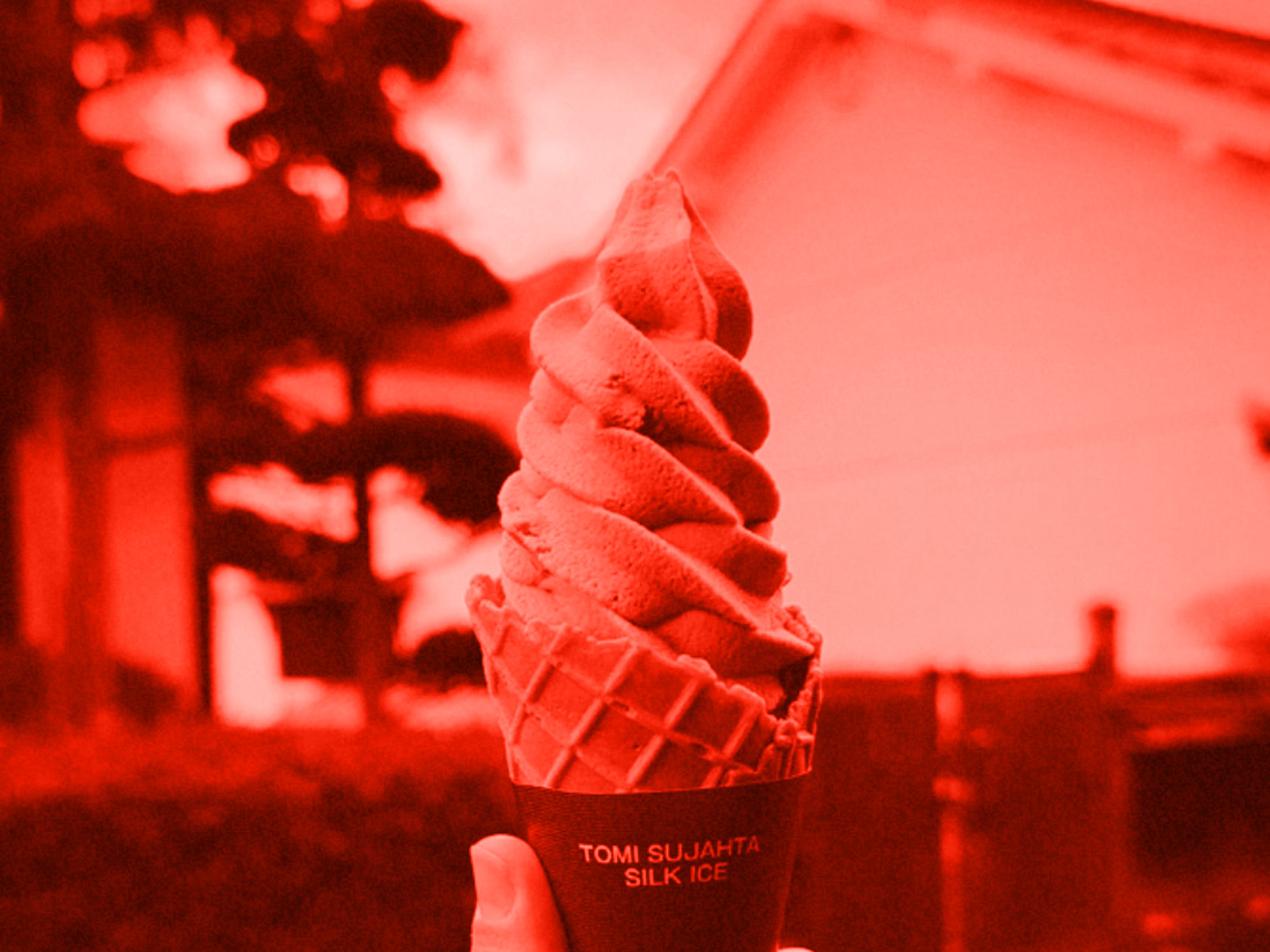
The book news was a dizzying punctuation mark, certainly. It’s just not the memory that lingers. Instead, I replay a montage of bamboo forests, chestnut-flavored soft serves, strings of persimmons hung up to dry in the sun, and precocious deer snatching crackers from my palm.
I still dream of writing more. The research, the drafting, the problem solving. It’s the most engaging work I can imagine for my curiosity-addled brain. The difference now, as I near publication almost two years after selling the book, is that I no longer expect my career to protect me from ever feeling inadequate.
Because a good life is like a good vacation: too rich and varied to be held hostage by any single outcome.
Anyway! Three questions for you:
In what way are you using success to fill your own inner voids?
What parts of your life have fallen by the wayside in the dogged pursuit of achievement?
Over the past month or so, what moments really lit you up?

Great essay. I also hope you can see how truly remarkable and incredible it is that you wrote — and sold — a book. A force of nature you are ❤️
Ali! This is exactly why I continue to chase wild spaces. The goal keeps me ‘on track’ to manage my health and well being to be at all times ‘adventure ready’. There is no relevance to the goal when you are in the mountains and it ‘punches you in the face’ with cruel weather or multiple discomforts. It’s at that time our strength comes from how we respond.